How to Develop an Internal Workflow Around 3pl Audit Software
A 3PL audit procedure functions best when it is dealt with as an inner workflow as opposed to a standalone modern technology job. Clear possession, constant testimonial actions, and recorded treatments help groups utilize audit findings to sustain much better monetary and functional decisions.
Before presenting 3pl Audit Software, companies should identify how billings, agreements, shipment records, and exception details move with business. Mapping that process creates a sensible structure for assigning responsibilities and making a decision where software fits.
FreightOptics offers 3pl Audit Software.
Designate Possession Across the Audit Refine
Begin by naming an overall process owner. This person is accountable for preserving the operations, working with stakeholders, keeping track of unsolved problems, and ensuring that the audit program continues to be straightened with firm policies. The process owner does not need to complete every task, yet should command to clear up obligations and relocation decisions ahead.
Next off, separate duties among finance, logistics, procurement, and operations where suitable. Finance may assess invoicing outcomes and credit score activity, while logistics groups can validate delivery details and solution info. Procurement may validate agreement terms, and procedures may check out repeating exemptions. Specifying these duties avoids duplicate work and lowers the danger that vital findings remain unassigned.
Create an easy obligation matrix for activities such as data preparation, billing review, exemption recognition, conflict submission, resolution tracking, and reporting. Consist of a backup owner for time-sensitive tasks so the procedure can proceed when a key contributor is not available.
Define the Requirement Testimonial Tips
A consistent workflow needs to start with data intake and recognition. Develop which submits or records are required, who examines them for completeness, and what takes place when details is missing out on. A documented consumption checklist can help the team verify that billings, delivery details, agreed terms, and appropriate modifications are readily available before review starts.
The next stage is automated or structured review within the chosen 3pl Audit Software. Specify how potential disparities are classified, such as wrong rates, duplicate fees, accessorial concerns, or terms that do not match the approved agreement. Each category ought to have a clear owner and a specified following activity.
Establish testimonial thresholds and rise regulations based on the company's policies. Some findings might be settled by the designated reviewer, while others might need money approval, carrier or company interaction, or monitoring interest. The objective is to make the course from exemption to resolution predictable.
File Procedures and Choice Rules
Created procedures ought to discuss not just what workers do, however why each action matters. Include the purpose of the operations, required inputs, system activities, testimonial standards, authorization needs, and expected results. Use simple language so that a new team member can comply with the audit software for 3PLs process without depending entirely on informal understanding.
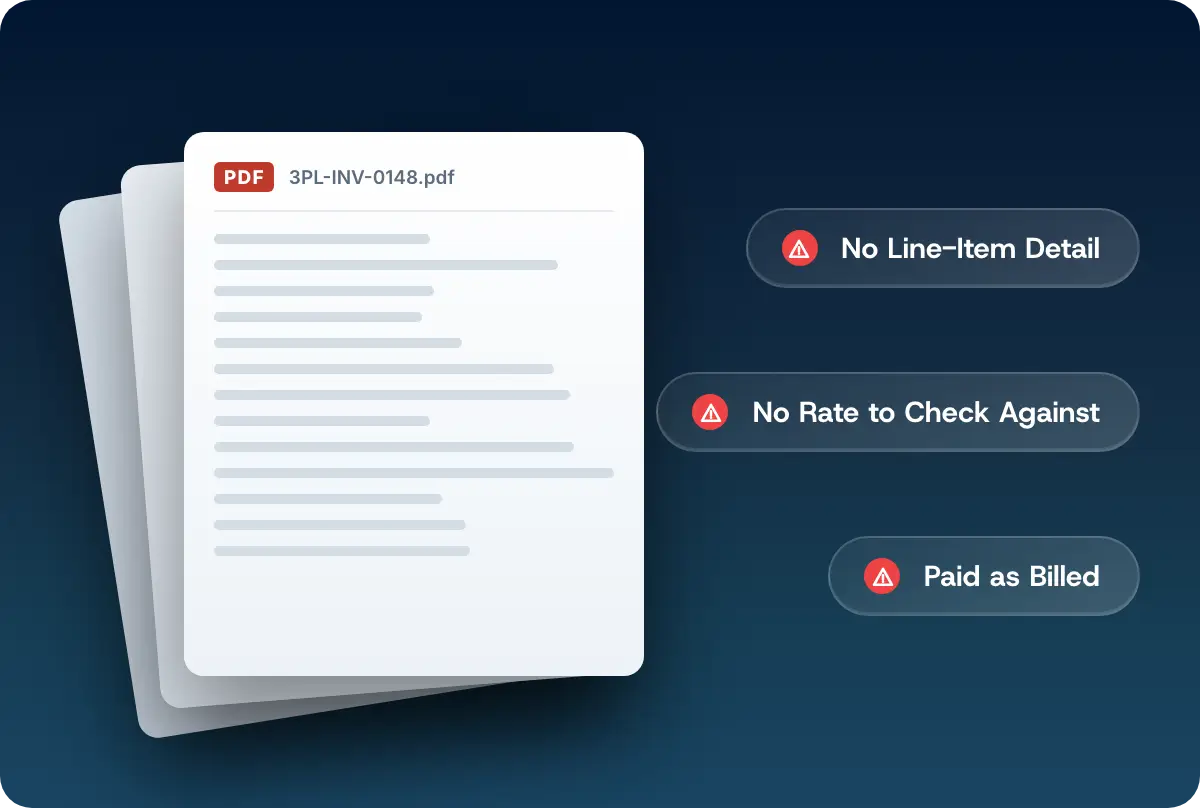
Record just how individuals must manage questioned findings, incomplete records, declined claims, and adjustments to acquire terms. If a customer overrides a system result, require a brief factor and supporting documents. This creates an audit trail and aids managers compare valid exemptions and procedure spaces.
Maintain procedure files in a regulated area and assign obligation for updates. Review them when organization guidelines, companies, systems, or interior authorization structures transform. Out-of-date guidelines can create incongruity also when the software program itself is configured properly.
Create a Resolution and Reporting Regimen
An audit operations need to continue beyond identifying disparities. Establish how findings are logged, focused on, designated, and followed through to closure. Each product should have an owner, status, due date where suitable, and resolution note. Regular testimonial conferences can concentrate on aging products, duplicated issues, and choices that call for cross-functional input.
Usage reports from FreightOptics to sustain conversations concerning process performance and persisting exceptions. Rather than assessing every result by hand, teams can use reporting to identify patterns, straight interest to unsolved matters, and examine whether procedures need clarification. The details can also aid stakeholders connect better with logistics service providers and internal decision-makers.
Specify what successful conclusion resembles for each and every audit cycle. This may include finishing the review, videotaping outcomes, sending eligible conflicts, and documenting last resolutions. A constant closeout routine guarantees that findings are not lost after the initial evaluation.
Evaluation and Improve the Workflow
After the process has actually been in use, gather responses from each duty involved. Ask where handoffs are postponed, which guidelines are vague, and which exception classifications call for repeated judgment. This responses can guide updates to obligations, evaluation regulations, training products, and software setup.
FreightOptics and its 3pl Audit Software can be part of a broader continuous-improvement approach when the organization treats audit details as a resource of functional insight. Regular procedure evaluates assistance maintain the workflow straightened with current business needs while preserving liability at every stage.
A strong interior process makes audit activity repeatable. By appointing clear ownership, defining evaluation actions, documenting choices, and preserving a resolution regimen, organizations can produce an organized procedure that sustains more consistent use 3pl Audit Software.
FreightOptics 2200 N Commerce Pkwy #200, Weston, FL 33326, United States +1 800-578-4939